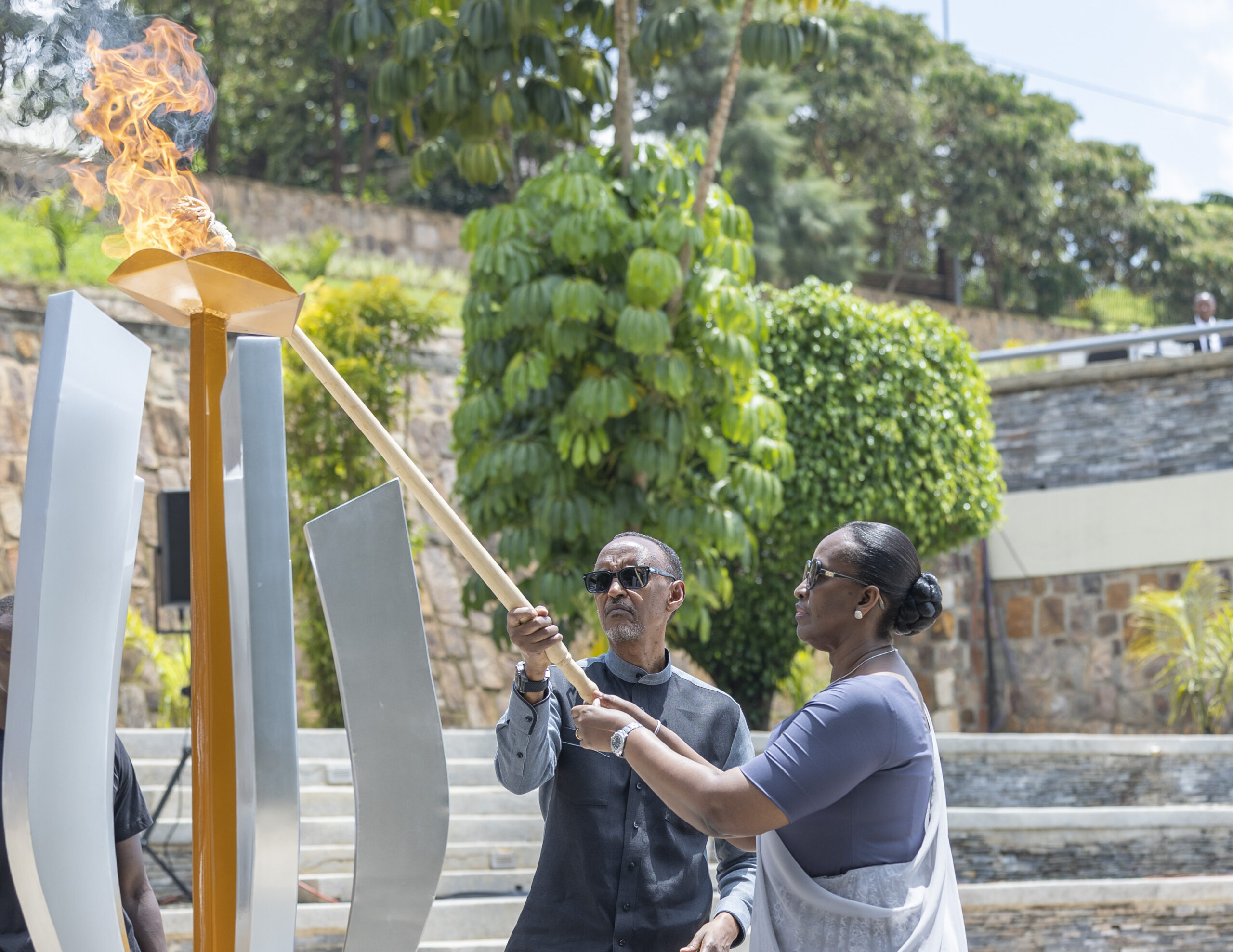
Reflecting on Kwibuka - April 7th: Honoring the Memory of the 1994 Genocide against the Tutsi in Rwanda
In Rwanda, a country known for its rich cultural heritage, numerous celebrations take place throughout the year, each holding its own significance. Among these celebrations, two stand out as particularly important to Rwandans: Kwibuka, the Commemoration of the 1994 genocide against the Tutsi, and Kwibohora, the Liberation Day. These two occasions hold deep meaning and evoke strong emotions among the people of Rwanda, reminding them of their past and celebrating their journey towards a brighter future.
Reflecting on Kwibuka - April 7th: Honoring the Memory of the 1994 Genocide against the Tutsi in Rwanda
Kwibuka, meaning "Remember" in Kinyarwanda, is an annual commemoration period that starts on April 7th, lasting for 100 days. It serves as a solemn remembrance of the 1994 genocide against the Tutsi, a dark period in Rwandan history. Through a series of activities, Rwandans gather to honor the memory of the approximately one million lives lost and to pay tribute to the survivors who endured unimaginable suffering. Memorial ceremonies, community discussions, educational programs, artistic performances, and the lighting of the Flame of Remembrance are some of the ways in which Rwandans engage in remembrance and reflection during the Kwibuka period.The event provides an opportunity for reflection, healing, and unity as the nation comes together to ensure that such atrocities are never repeated. Through Kwibuka, Rwandans embrace the values of forgiveness, reconciliation, and resilience, fostering a sense of national unity and a commitment to building a peaceful and inclusive society.
During the first week of the commemoration period, prohibited activities include mass celebrations, weddings, sports competitions, playing unrelated music, betting games, projecting football matches, and non-related entertainment events are prohibited.
Kwibuka has gained international recognition as a symbol of resilience and as a call to prevent similar atrocities worldwide. It serves as a reminder that the consequences of division and hatred can be devastating, while promoting the need for unity, tolerance, and respect for human rights. Through Kwibuka, Rwanda leads the way in remembering, learning, and ensuring that the voices of the victims are never forgotten.
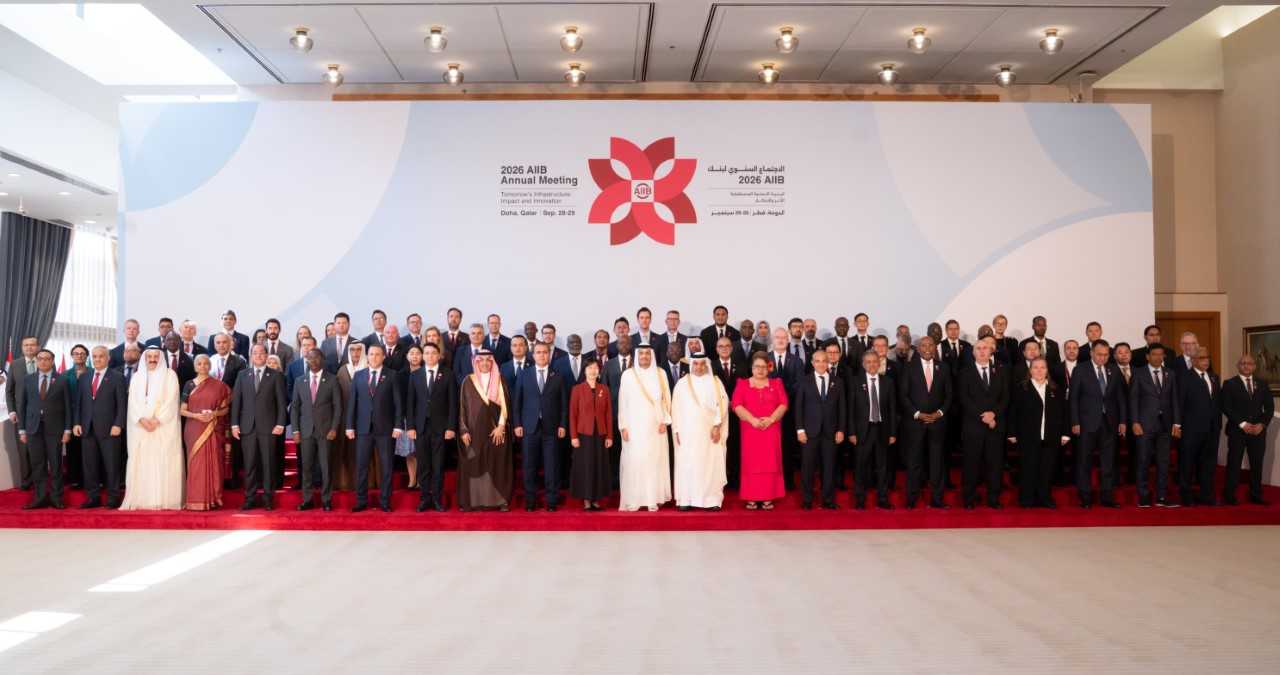
Rwanda Delegation Led by Minister Murangwa Participates in AIIB Annual Meeting

PRESIDENT KAGAME MEETS H.H. SHEIKH TAMIM BIN HAMAD AL THANI IN DOHA

THE AMBASSADOR OF RWANDA MEETS CEO OF DOHA FILM INSTITUTE

THE AMBASSADOR OF RWANDA MEETS PRESIDENT OF QMMF AND LUSAIL INTERNATIONAL CIRCUIT

President Kagame Sends a Written Message to HH the Amir Sheikh Tamim bin Hamad Al-Thani
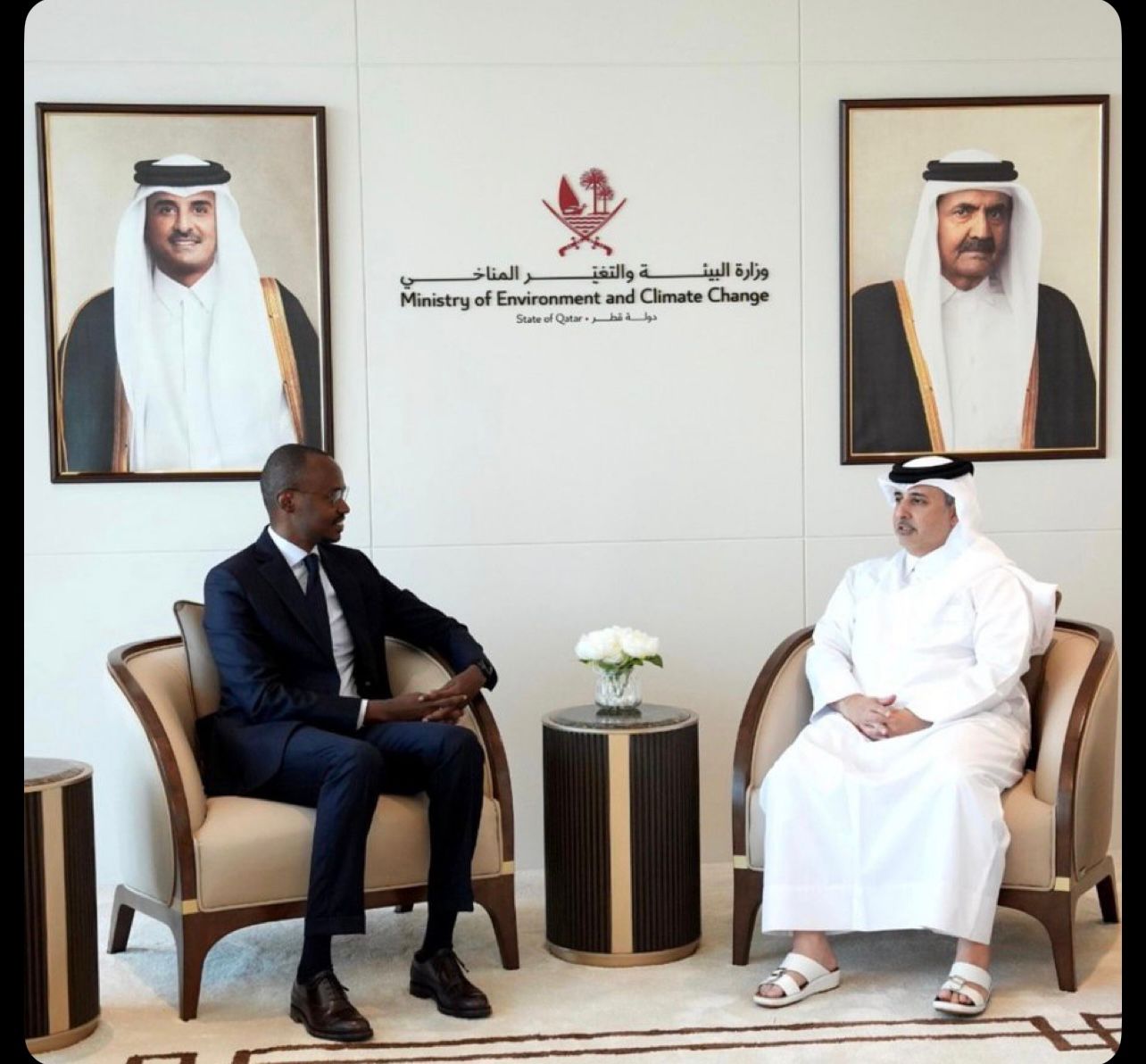
THE AMBASSADOR OF RWANDA MEETS QATAR’S MINISTER OF ENVIRONMENT AND CLIMATE CHANGE
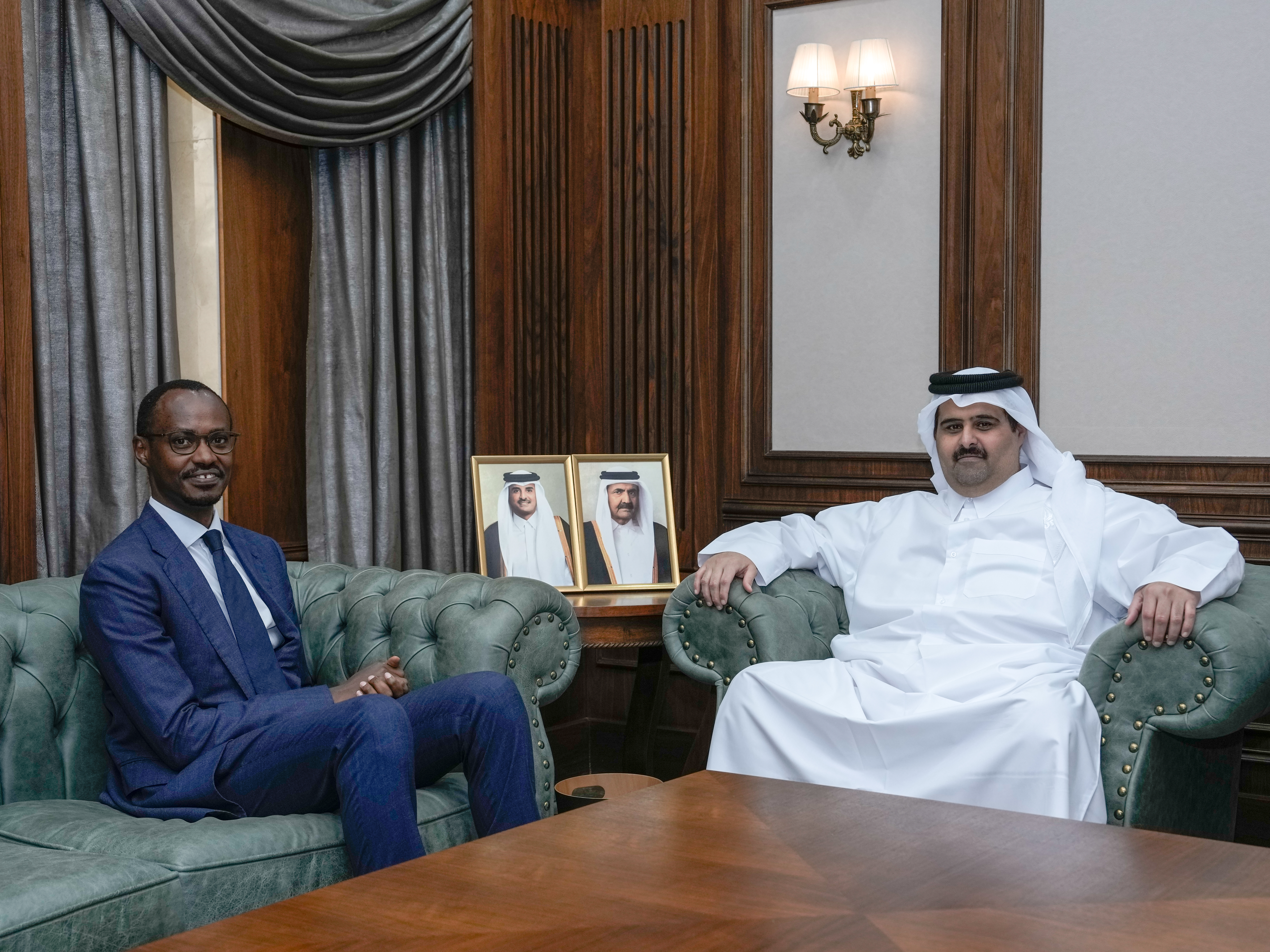
THE AMBASSADOR OF RWANDA MEETS QMC CEO
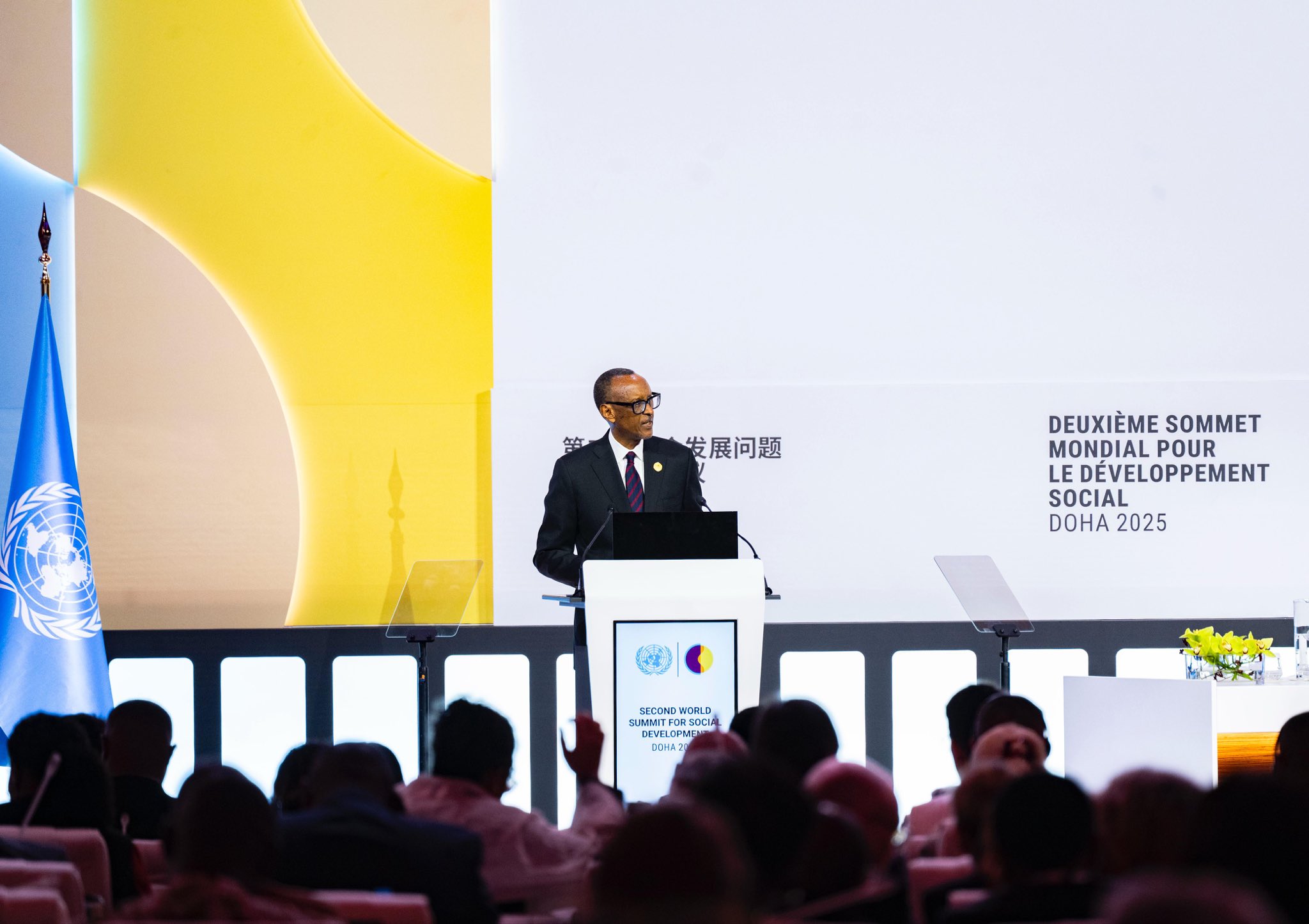
President Kagame Attends Second World Summit for Social Development in Doha
